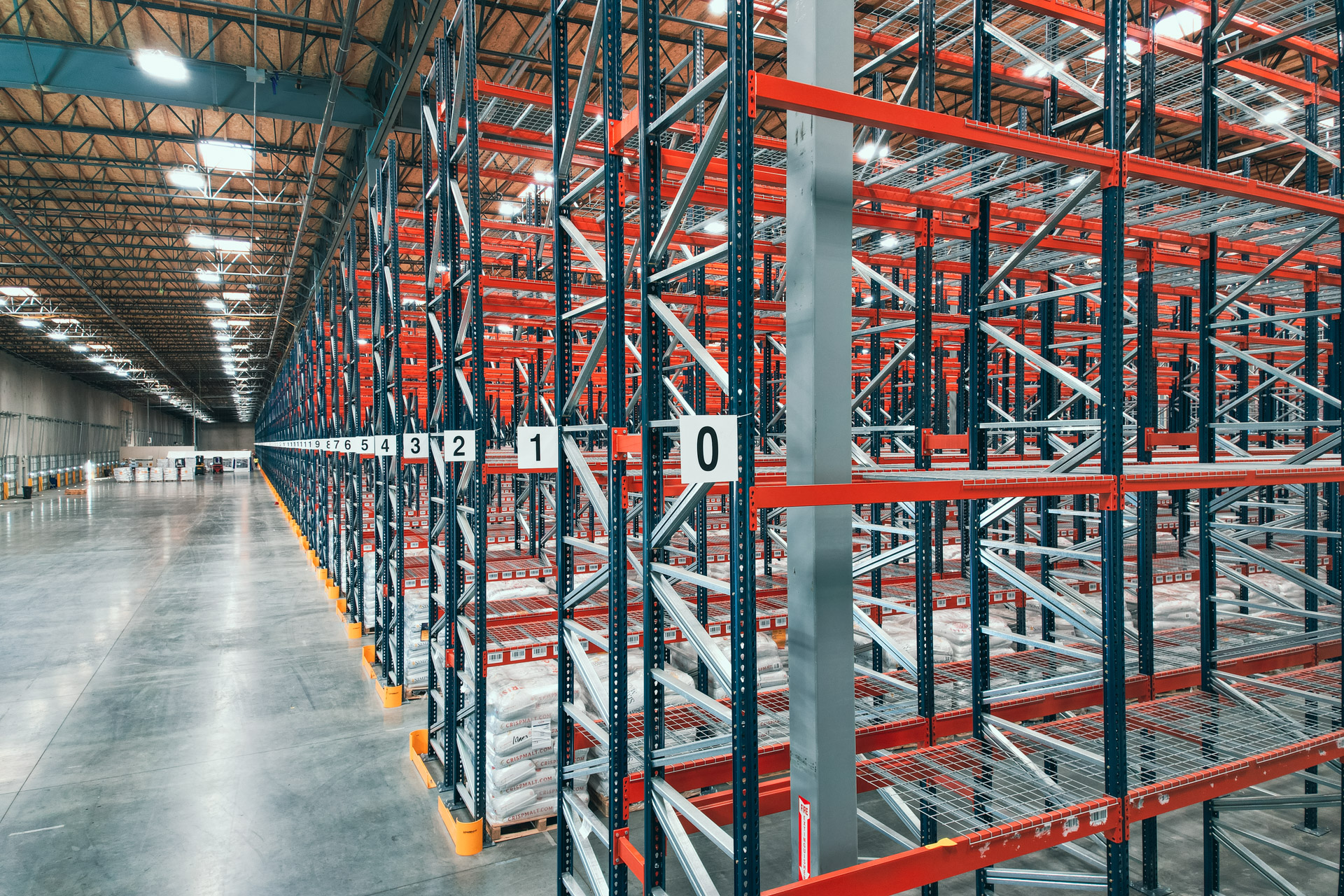
Pallet Racks & Warehouse Racking in Elizabethtown, NC
Pallet racks in Elizabethtown, NC, should separate incoming parts, work in progress, and completed goods before assigning storage positions. Different containers may need different supports even when they pass through the same production process. Capture those differences alongside weights and replenishment quantities before choosing new bays or picking lanes.
Food processing, electronics manufacturing, and machine assembly operate at Elizabethtown Airport Industrial Park. Build the storage arrangement around material transfers rather than repeating one row specification throughout the room. Allow for active picks and production handoffs, then compare the pallet positions remaining after those working areas are preserved.
Carton Flow Rack for Assembly Components
Carton flow can present suitable packaged components at repeatable picking faces while reserve stock replenishes from behind. List case dimensions, weights, and base condition for each proposed lane group. Production demand should guide frontage and replenishment quantities, particularly where several work areas draw from the same component stock and need access without queuing in a pallet retrieval aisle.
Container changes between receiving and assembly can alter the support requirement. A purchased carton may move into a reusable bin that does not travel or bear on the same surfaces. Identify the carrier used at the picking face before specifying lane components. Show the handling space for replenishment and empty containers so those tasks do not displace active production materials.
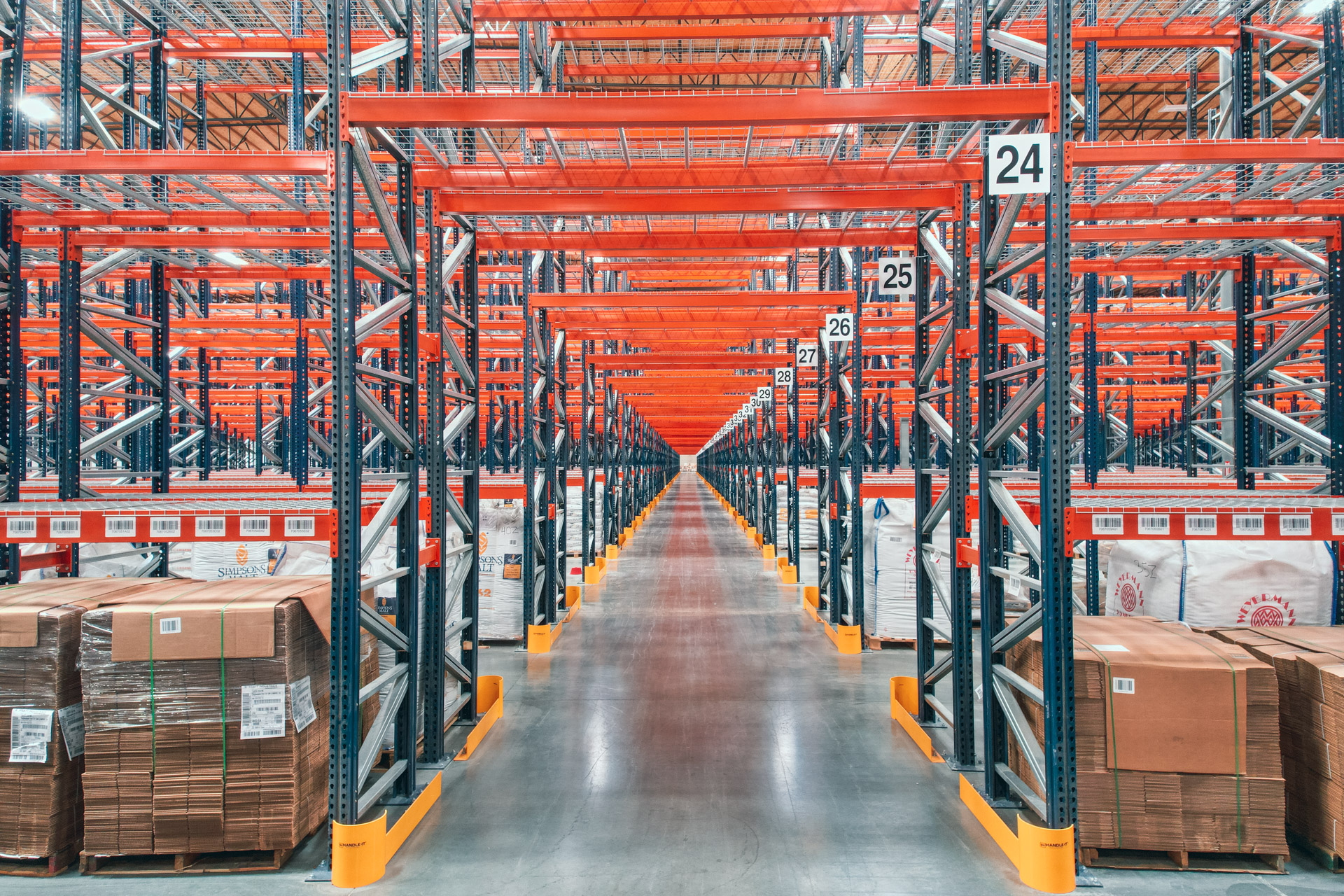
Selective Pallet Rack for Parts and Work in Progress
Selective rack gives individually chosen parts pallets and work-in-progress containers direct access. Separate incoming materials from completed assemblies on the drawing, even when both use similar pallets. Their retrieval frequency and transfer routes may call for different row lengths or locations. Short sections near a defined handoff area can be preferable to longer runs that create repeated cross-building moves.
Crates and bins need a bearing-surface review rather than a simple check that they fit between uprights. Provide base dimensions, contact points, maximum weight, and lifting method for each carrier. Beam capacity covers the combined level load, while the frame must suit the planned beam spacing. Specify decking or additional supports wherever the carrier cannot transfer its load as assumed.
Drive-In Warehouse Racking for Repeated Food Loads
Drive-in storage may suit repeated food-product pallets when shared lanes match the required handling sequence. Count pallets by item and lot before deciding depth, and retain selective positions for products that need independent retrieval. Lane occupancy matters as much as nominal density: a deep channel reserved for a small quantity can leave space unavailable to the rest of the inventory.
Receiving carriers and finished-product pallets should be reviewed separately before sharing a lane specification. Check pallet dimensions, construction, load shape, and the equipment entering the rack. Required rotation may rule out the proposed arrangement even when the pallets fit physically. Compare access and withdrawal rules first, then determine whether the resulting usable positions justify the deeper storage block.
Industrial Pallet Racks Coordinated with Production Transfers
Material-transfer routes establish where new industrial pallet racks can stand without taking over production handoff space. A free CAD layout should identify incoming stock, active component picks, work in progress, finished goods, and their connecting approaches. Upper component positions depend on the plant truck's loaded lift capability. The itemized quote follows the approved drawing, including the specified supports, lane components, freight, and installation.
Work-area release should be agreed with the people responsible for production and receiving before components arrive. Plant-storage assembly is performed by experienced installation crews we schedule and manage. Plant work areas follow the reviewed component-staging and assembly sequence. Beam elevations and support locations remain tied to the documented carriers and loads. Proposed changes receive review before loading so a convenient adjustment does not invalidate the original storage assumptions.
Map Your Elizabethtown Material Flow
Provide carrier details and production-transfer requirements for a coordinated layout and equipment quote. (910) 597-4473.
Elizabethtown Plant Storage Questions
Review Storage at Other Production Locations
Document each site's containers and transfer routines before comparing rack arrangements.
Give Production Materials Defined Storage Roles
Start with a free CAD layout and new equipment specified by load carrier. (910) 597-4473